Progress in geographic studies on "home" and implications for China
Online published: 2015-07-10
Copyright
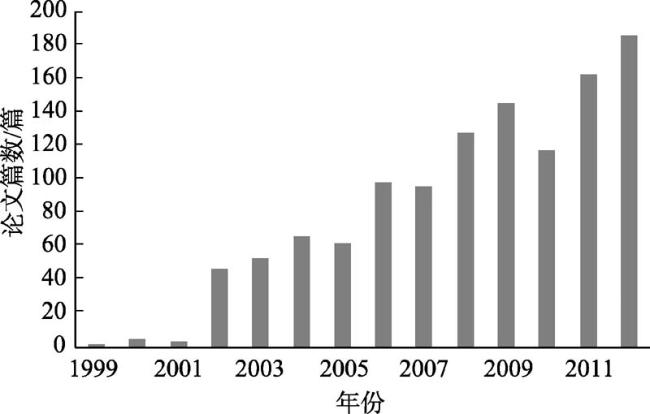
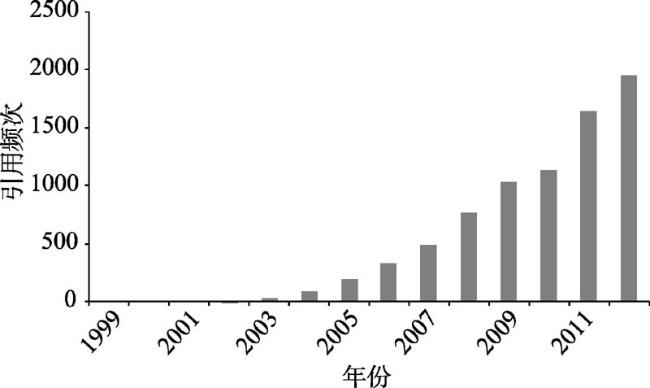
Geography of home is becoming an important research field in the western academic world. Both the quantity and the citation rate of the publications on this topic are growing significantly, in cultural geography study in particular. This article reviews the diverse literature on the geography of home and calls for domestic study in China in the context of great social and cultural transitions. First, the conceptualization of home was interpreted by tracing back in the literature. Home was treated as "heaven" in early research of the 1970s inspired by the humanistic trend at the time, while was criticized for its ignorance of the negative feelings and experiences of the subordinate groups. At present, this concept is understood increasingly as political and embedded with critical interpretations. The review found that the geography of home is closely related to identity, including gender, sexuality, class, and ethnicity. These identities shape and are shaped by home. Finally the article reviews studies on two key phenomena examined from the perspective of home: transnational migration and homelessness. These studies focus on the impacts of the wider economic and social contexts as well as related policies. More importantly, growing attention has been paid to the home making practice and the meanings of home experience of the migrants and the homeless people. Despite of the abundant research on the geography of home, such study in China is relatively rare although the idea of home occupies a key position in traditional cultures of China. Especially during the recent development of globalization and social transformation, the theory of home may be helpful to explain and interpret new topics that have emerged in China such as the growth of forced migration, flow of labor force, and empty nester family. The existing body of literature on the geography of home provides insightful ideas for related studies in China. However, empirical studies should be conducted in the context of China, which may enrich or challenge the theory of home.
Key words: home; place; identity; cultural geography; research progress
FENG Dan , LI Peng , ZHU Hong . Progress in geographic studies on "home" and implications for China[J]. PROGRESS IN GEOGRAPHY, 2015 , 34(7) : 809 -817 . DOI: 10.18306/dlkxjz.2015.07.003
Fig. 1 Annually number of publications on home图1 各年发表论文的数量 |
Fig. 2 Annually number of citations on home图2 各年被引用频次 |
Tab.1 Top 10 journals and institutions based on the number of publications表1 发表论文数量排名前十的期刊和研究机构 |
| 排名 | 期刊名称 | 研究机构 |
|---|---|---|
| 1 | Environmental and Planning A | University of London |
| 2 | Landscape and Urban Planning | University of British Columbia |
| 3 | Gender Place and Culture | University of California System |
| 4 | Geoforum | Durham University |
| 5 | Population Space and Place | University College London |
| 6 | Social Cultural Geography | University of Edinburgh |
| 7 | Journal of Transport Geography | University of Manchester |
| 8 | Global Networks A Journal of Transnational Affairs | University of Sussex |
| 9 | Urban Geography | University of Utrecht |
| 10 | Environmental and Planning D | University of Amsterdam, University of Oxford |
Tab. 2 Top 10 authors based on the number of publications表2 发表论文数量排名前十的学者 |
| 作者 | 数量 | 研究话题 | 研究机构 |
|---|---|---|---|
| Andrew Gorman-Murray | 13 | 性取向、性别和家的相互联系 | University of Western Sydney |
| Clara Mulder | 8 | 居住—流动 | University of Groningen |
| Stewart Barr | 7 | 环境可持续、可持续的生活方式 | University of Exeter |
| Alison Blunt | 7 | 怀旧,英印时代(Anglo-Indian) | Queen Mary University of London |
| Russell King | 7 | 第二代移民的流动性 | University of Sussex |
| Susan Smith | 7 | 住房、健康 | Durham University |
| Robyn Dowling | 6 | 家庭生活 | Macquarie University |
| Gill Valentine | 6 | 网上赌博、酗酒、同性恋、聋哑儿童和家的意义 | University of Leeds |
| Gordon Waitt | 6 | 性取向和性别和家的相互联系 | University of Wollongong |
| Brenda Yeoh | 6 | 跨国劳工 | National University of Singapore |
The authors have declared that no competing interests exist.
| 1 |
[
|
| 2 |
[
|
| 3 |
[
|
| 4 |
|
| 5 |
|
| 6 |
|
| 7 |
|
| 8 |
|
| 9 |
|
| 10 |
|
| 11 |
|
| 12 |
|
| 13 |
|
| 14 |
|
| 15 |
|
| 16 |
|
| 17 |
|
| 18 |
|
| 19 |
|
| 20 |
|
| 21 |
|
| 22 |
|
| 23 |
|
| 24 |
|
| 25 |
|
| 26 |
|
| 27 |
|
| 28 |
|
| 29 |
|
| 30 |
|
| 31 |
|
| 32 |
|
| 33 |
|
| 34 |
|
| 35 |
|
| 36 |
|
| 37 |
|
| 38 |
|
| 39 |
|
| 40 |
|
| 41 |
|
| 42 |
|
| 43 |
|
| 44 |
|
| 45 |
|
| 46 |
|
| 47 |
|
| 48 |
|
| 49 |
|
| 50 |
|
/
| 〈 |
|
〉 |